Cacio e pepe is an Italian term that refers to “cheese and pepper”. Usually, it is the name of a pasta dish, consisting of long noodles cooked in an emulsion of cheese, water, olive oil, and pepper. And it is a simple yet delicious combination, and a go-to that I often find myself ordering when I have decision paralysis at an Italian restaurant that features homemade pasta. I figured, while I was conceptualizing a savory scone idea, that it would be a simple, but effective route to go! I have used cheese in biscuits before, and adding a little pepper on top of that would not be an issue either. Usually the cheese used is parmesan, but Grana Padano or pecorino have been used too. I used parmesan in mine, because I had a wedge of it in my freezer anyways, and that was perfect to blend into my dough. Similar to classic cacio e pepe, the one challenge with making these flavors work in a scone is emulsifying the cheese in. Cheese can be a challenge to combine with other ingredients, especially in baking, because of the fat and salt content. In scones specifically, you also have to consider moisture on top of the fat content. I used 1 tbsp of grated parmesan in my scones, but just to make sure that the cheese flavor was represented properly, I also used nutritional yeast, which bumps up the cheesy tang, while not affecting the end result too much. The pepper portion of the dough takes care of itself. Freshly cracked black pepper works a treat in this recipe. I toasted peppercorns, just to get the essential oils out of them, and then ground them straight into the dough. Very straightforward, bit quite lovely. However, the science behind how a scone bakes can still be a little challenging.
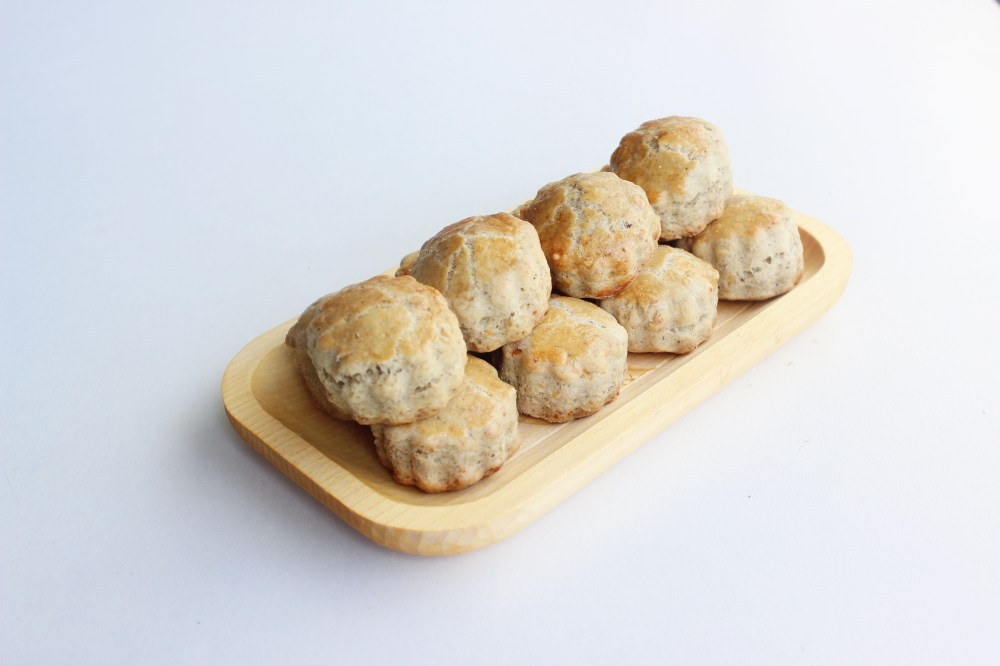
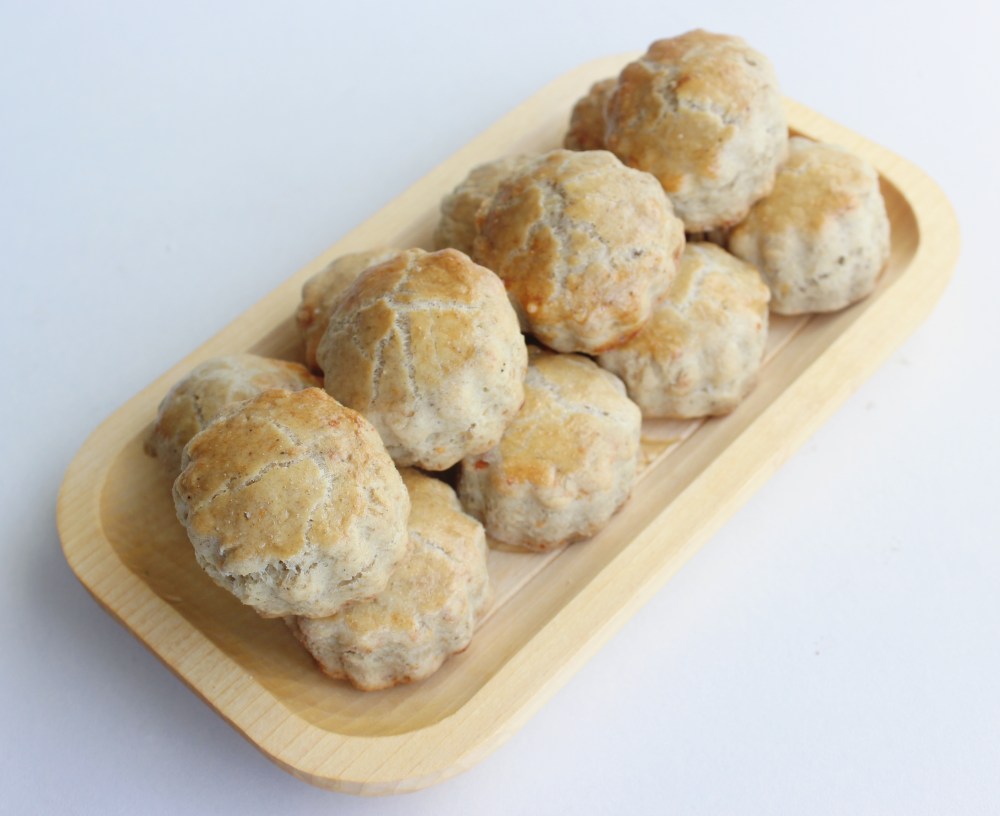
For starters, scones bake the best when you use lard. Unlike with butter, lard adds a nice umami to the dough, and since it has a lower melting point, mixes with the dough into a finer crumb, resulting in a softer scone. Coincidentally, back in college, I used to make biscuits using rendered bacon fat, which results in a similar, melt-in-the-mouth texture. I used rendered pork fat, which is basically lard, since I had rendered some earlier when I was cooking with pork belly – I always save my rendered pork fat, either to make scones with, or for roux in lieu of butter, or to toast rice for congee/risotto. Pork fat is just such a delicious ingredient, even if it has that unhealthy connotation, and if I am spending x-y-z amount of dollars on pork belly, I might as well as all of the pork belly, including the fat that gets rendered out of it. I also made my own buttermilk, using milk and vinegar/lemon juice, since that’ll result in a bit of a fluffier scone too. A lot of British bakers would go as far as to say a traditional English tea scone needs a little side bump or crack in the middle of the scone, and that can only be achieved by using a combination of cultured dairy like sour cream, yogurt, or buttermilk, a leavening agent like baking powder, and the right kind of fat mixed with flour, in this case, the pork fat. Luckily, I have that right combination in the recipe listed below. Also, I brush the tops of my scones with an egg wash glaze, but make sure you only brush the tops of the scones, and not the sides. Brushing the sides will result in the dough not puffing as much as it can. We still need to brush the tops, though, just to help the scones keep their shape at the top, and to add a nice golden color.
Makes 12 mini scones:
For the scone dough:
1/4 cup milk
1/4 tsp vinegar or lemon juice
2/3 cups all-purpose flour, plus more for rolling
2 tsp baking powder
1 tsp granulated sugar
A pinch of salt
2 tbsp rendered pork fat, chilled until solidified
6 black peppercorns, toasted and crushed
1 tbsp parmesan cheese
1 tsp nutritional yeast
Egg wash*
Mix together the milk with vinegar/lemon juice first, and let that sit at room temperature for 10 minutes(if sitting any longer, transfer to the refrigerator). In a bowl, whisk together the flour, baking soda, sugar, and salt. Mix into that your coconut oil, mixing thoroughly until everything combines together into a fine powder. Mix into that your soy milk and knead into a dough. Continue to knead the dough until it becomes smooth. Wrap up your dough and refrigerate it for at least 15 minutes.
On a floured surface, roll out the dough until it is roughly 1 3/4 centimeters thick. Dust a 3.5 centimeter cookie cutter with flour. To cut out your scones, press the cutter straight down into the dough, making sure not to twist it. Re-dust the cutter with flour between each press. Flip the scones so that the side that was facing down when you pressed into them is facing upwards. This guarantees a flat and even top for the scones. Re-roll your scrap dough and continue this process until you use up all of the dough.
Brush the tops of the scones with the glaze and rest the scones in your refrigerator for another hour. Preheat an oven to 375 degrees F. After the final rest, brush the tops of the scones with another round of the glaze. Bake the scones at 375 degrees F for 12 minutes.
For the egg wash:
2 tbsp milk
1 egg
In a bowl, whisk the two ingredients together until combined.
 Freddy's Harajuku
One Comment Add yours